- Home
- Blog Details
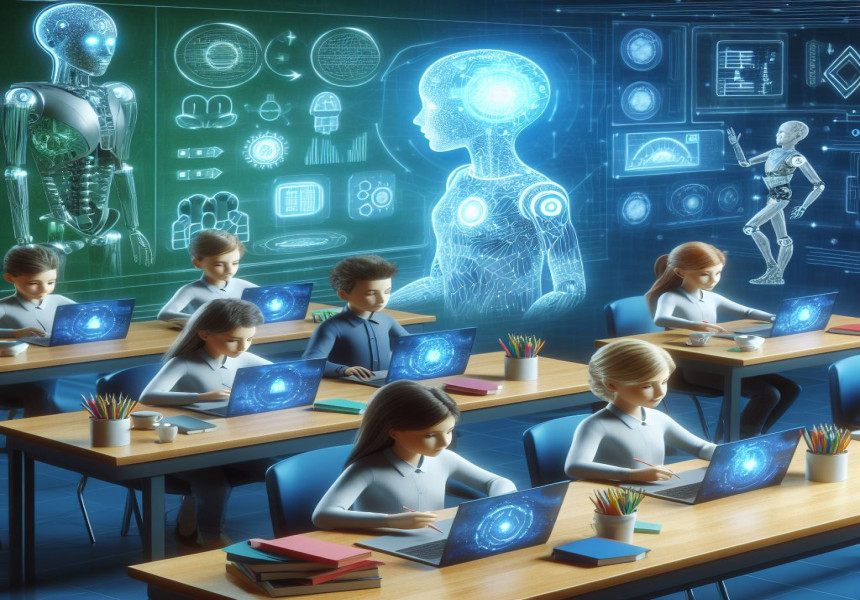
Artificial intelligence (AI) is no longer science fiction. It's rapidly transforming industries, and education is no exception. Schools are embracing AI tools to personalize learning, empower educators, and prepare students for the digital workforce.
Personalized Learning with AI
One key benefit of AI education is its ability to tailor learning experiences. AI-powered platforms can analyze student data to identify strengths, weaknesses, and learning styles. This allows for individualized instruction, ensuring students are challenged and supported at their own pace.
Imagine a virtual tutor that adjusts difficulty levels in real-time based on a student's grasp of a concept. This personalized approach keeps students engaged and fosters a deeper understanding of the material.
AI Empowering Educators
AI is also assisting educators by automating administrative tasks like grading and scheduling. This frees up valuable time for teachers to focus on one-on-one interaction and creative lesson planning. Additionally, AI can analyze student performance data to identify areas where the curriculum needs improvement, allowing educators to adapt and refine their teaching methods.
Beyond Technical Skills: Critical Thinking and AI Ethics
However, AI education isn't just about technical skills. A crucial aspect involves developing critical thinking and ethical considerations surrounding AI. Students are learning to analyze AI-generated content, identify biases, and understand the potential impact of AI on society.
By equipping the next generation with a blend of technological proficiency, critical thinking, and ethical awareness, AI education is preparing students to not just survive, but thrive in the rapidly evolving digital landscape.