- Home
- Blog Details
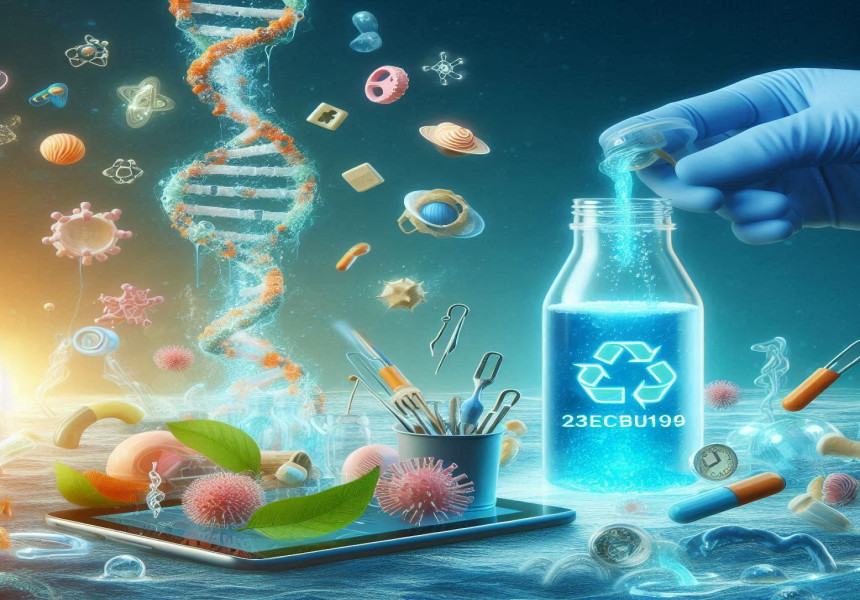
Plastic pollution has long been a global environmental crisis, but researchers from Texas have made a remarkable breakthrough. They’ve engineered an enzyme capable of breaking down plastics in just 24 hours—a process that traditionally takes centuries.
The enzyme, called FAST-PETase, can decompose polyethylene terephthalate (PET), commonly used in beverage bottles, food packaging, and synthetic fabrics. With this new method, researchers hope to alleviate the growing concerns surrounding plastic waste by reducing its environmental impact significantly. Not only is this process faster, but it’s also more cost-effective and scalable, making it a practical solution for industries that rely heavily on plastic.
Moreover, the enzyme can be reused multiple times, making it a sustainable alternative to conventional recycling methods. The global shift toward eco-friendly practices and innovations like these promises a cleaner, greener future.
This discovery represents a monumental leap forward in environmental technology, and it’s poised to revolutionize how the world handles its plastic waste, with benefits extending from local communities to global ecosystems.