- Home
- Blog Details
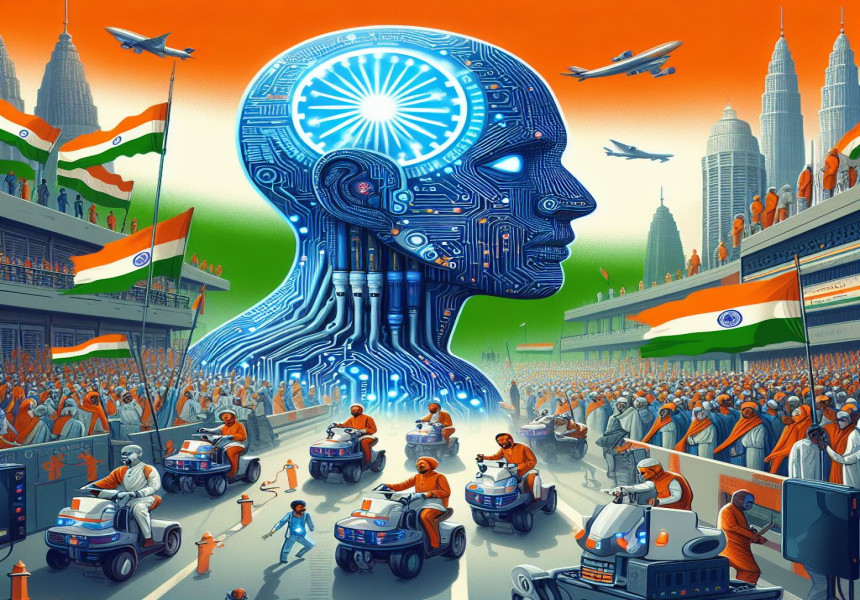
With national elections looming, the Indian government has implemented stricter regulations on artificial intelligence (AI), specifically targeting generative AI models.
The new rules require tech companies to seek government approval before launching "unreliable" or "under-tested" AI tools. Additionally, the government has warned against AI-generated responses that could "threaten the integrity of the electoral process."
This sudden shift comes after concerns arose about political parties potentially using AI to manipulate voters through disinformation or deepfakes (realistic AI-generated videos). Critics of the regulations argue they stifle innovation and free speech.
"These measures seem more like a knee-jerk reaction than a well-thought-out plan," says Dr. Maya Srinivasan, an AI ethics researcher based in Bangalore. "While safeguarding elections is crucial, restricting AI development could hinder India's technological progress."
The regulations have sparked debate within the tech industry. Some companies support clear guidelines, while others fear the approval process could be slow and bureaucratic.
One positive aspect is the potential for these regulations to set a global precedent. As AI continues to evolve, many countries are grappling with how to manage its potential risks. India's approach, while controversial, could pave the way for international discussions on responsible AI development in the political sphere.