- Home
- Blog Details
Introduction
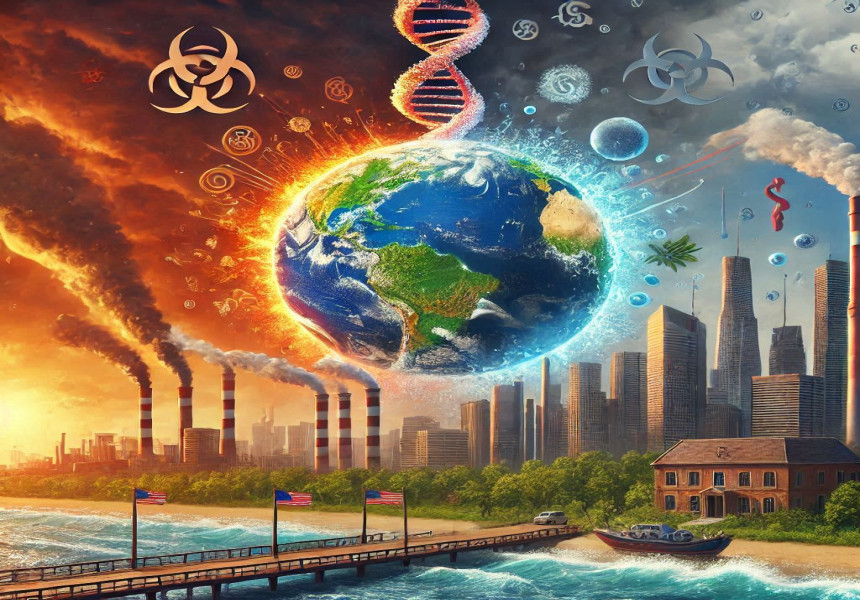
Climate change poses unprecedented challenges to global health, exacerbating existing health inequities and creating new threats. The World Health Organization (WHO) identified climate change as the greatest threat to human health in 2023, citing rising temperatures, intensified weather events, and altered disease patterns as critical concerns.
The Health Impact of Climate Change
Extreme heat events, rising sea levels, and shifting rainfall patterns directly affect public health. These changes intensify cardiovascular and respiratory conditions, increase vector- and water-borne diseases, and strain mental health.
Mental Health Implications
Climate-related stressors, including forced migration and natural disasters, contribute to anxiety, depression, and post-traumatic stress disorder (PTSD). Disrupted communities and economic instability exacerbate mental health challenges.
Global Disparities and Climate Injustice
Low- and middle-income countries disproportionately suffer from climate change effects, despite contributing the least to global emissions. For instance, high-income nations account for 85% of greenhouse gas emissions, yet the most severe impacts, such as malnutrition and disease outbreaks, occur in less developed regions.
Medical and Policy Interventions
Global and local strategies are vital to mitigate health impacts:
Conclusion:
Climate change is not just an environmental crisis—it is a health emergency demanding immediate action. Proactive investments in technology, education, and policy can mitigate risks and promote a healthier, sustainable future. Addressing climate inequities requires a united global effort to ensure health resilience for all populations.